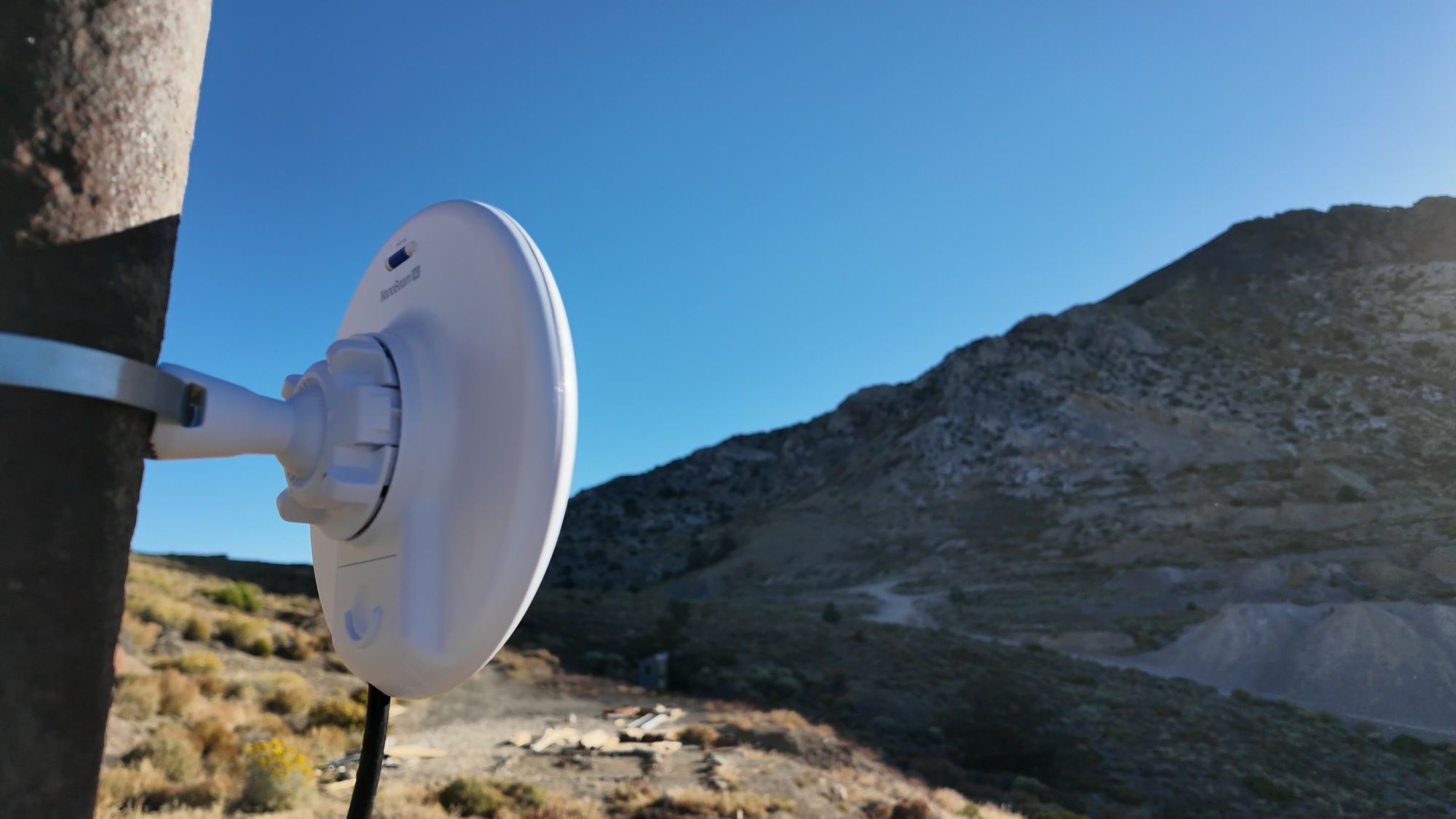
Point-to-point wireless and outdoor WiFi
When your network needs to reach another building, the far side of a campus or a campground spread across 40 acres, running cable is often impossible, or just too expensive. A point-to-point wireless bridge gets it there instead. We design and configure wireless links and outdoor WiFi remotely, for customers across the US and Canada.
We pick the best equipment for the job and your budget, and building these links is one of our favorite things to do!
Point-to-point
One link between two locations, like an office and a warehouse.
Point-to-multipoint
One central radio feeding many locations, like a campus or a campground.
What we build
From a single link across the parking lot to a network covering hundreds of acres.
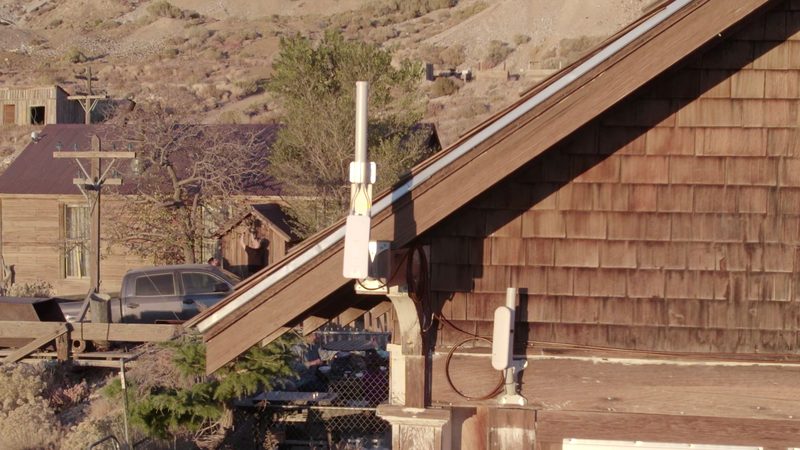
Building-to-building links
Connect a shop, warehouse, barn or second office to your main network without trenching a single foot of cable.
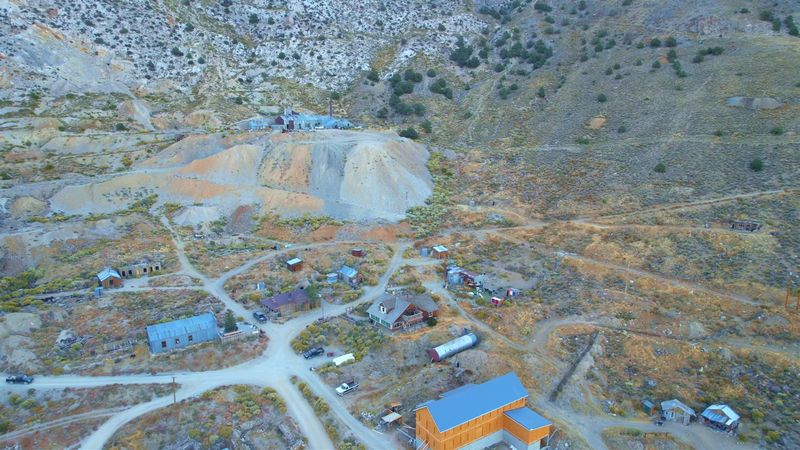
Campus networks
Tie a whole campus together, from schools and churches to farms and industrial sites, with links that feed every building from one core network.

RV park and campground WiFi
Coverage for every site and cabin, fed by wireless backhaul from the office, built to keep guests happy and your phone quiet.
More about campground WiFi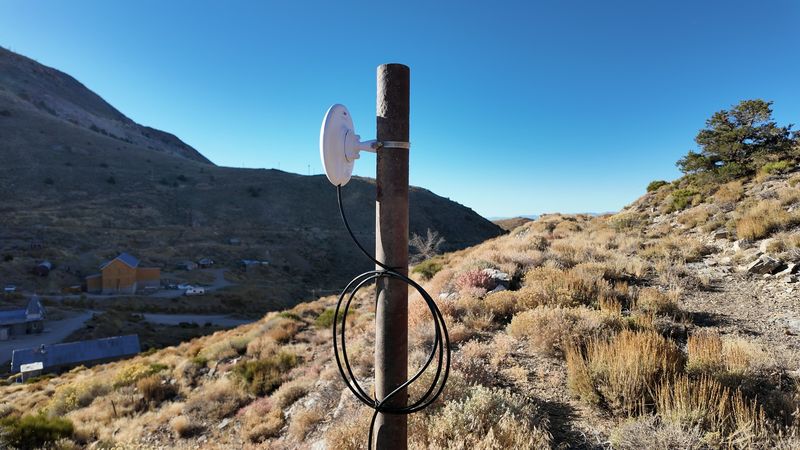
Remote sites
Get the network out to gates, pump houses, cameras, outbuildings and anything else too far away for cables.
WISP networks
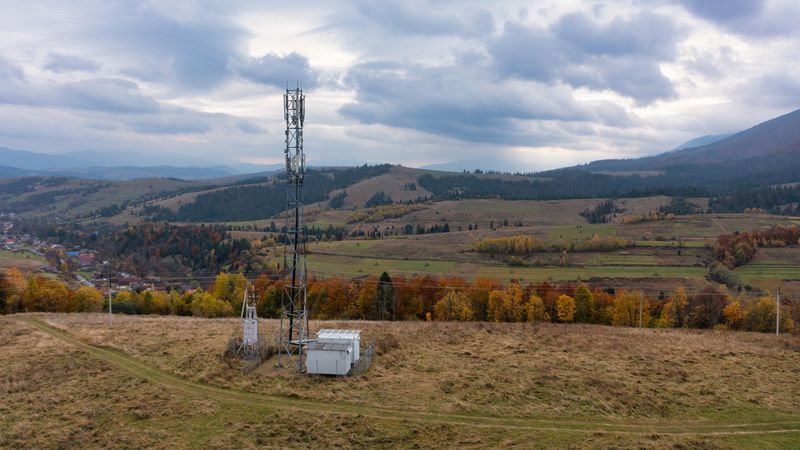
Planning a small wireless ISP? We design the network and set up UISP to manage it, and you run your subscribers your way.
Need a network for an event or job site?
Temporary networks for events, film shoots and construction sites are handled by our sister company, Crosstalk Mobile, with Peplink routers and unlimited 5G data.
Visit Crosstalk MobileRV park and campground WiFi your guests will love
Spotty WiFi turns into bad reviews. Covering a whole property is a big job, and most campgrounds don't have an IT department to run it.
We design the whole thing, from the internet connection at the office to the furthest site, and we set it up to run without constant attention. Our goal is that it "just works."
We can set up a captive portal if you want one, but we usually recommend against it. When a login page won't load on some guest's device at 10pm, the person they call is you!
Plan your campground WiFi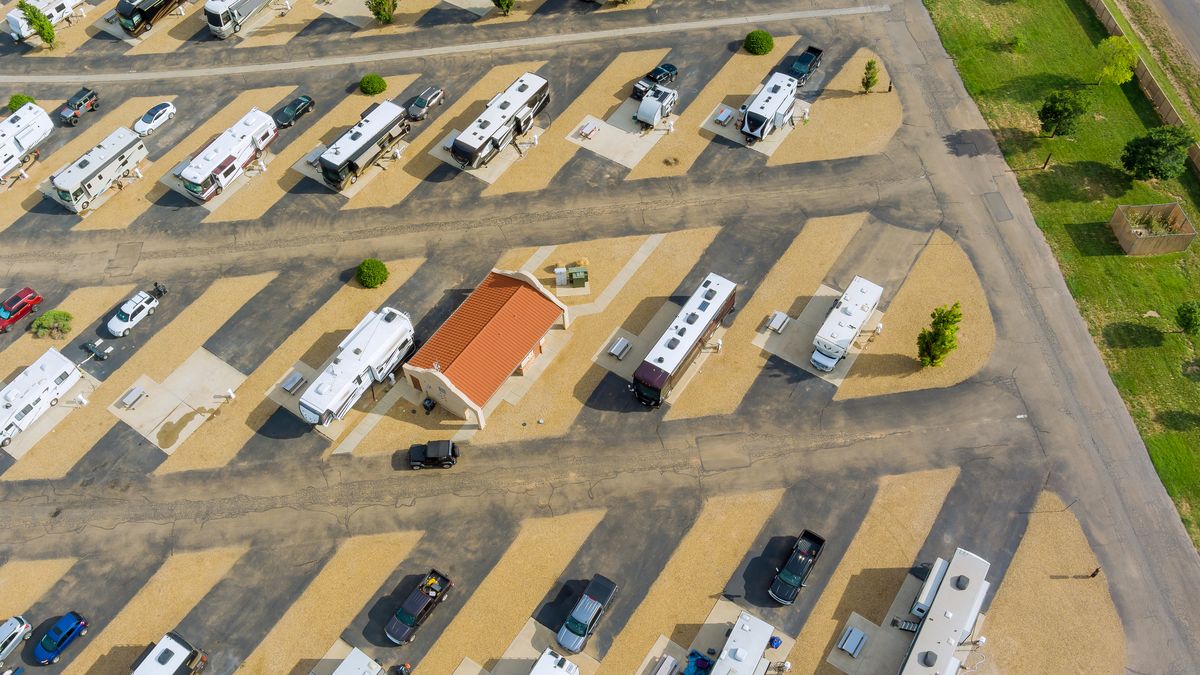
What a campground project includes
- Coverage planned for every site, cabin and common area
- Point-to-multipoint backhaul that carries your internet across the whole property
- A guest network kept separate from your office, cameras and payment systems
- Per-device speed limits, so one guest streaming in 4K doesn't slow down everyone else
- Links out to gates, cameras and the camp store
How a wireless link project works
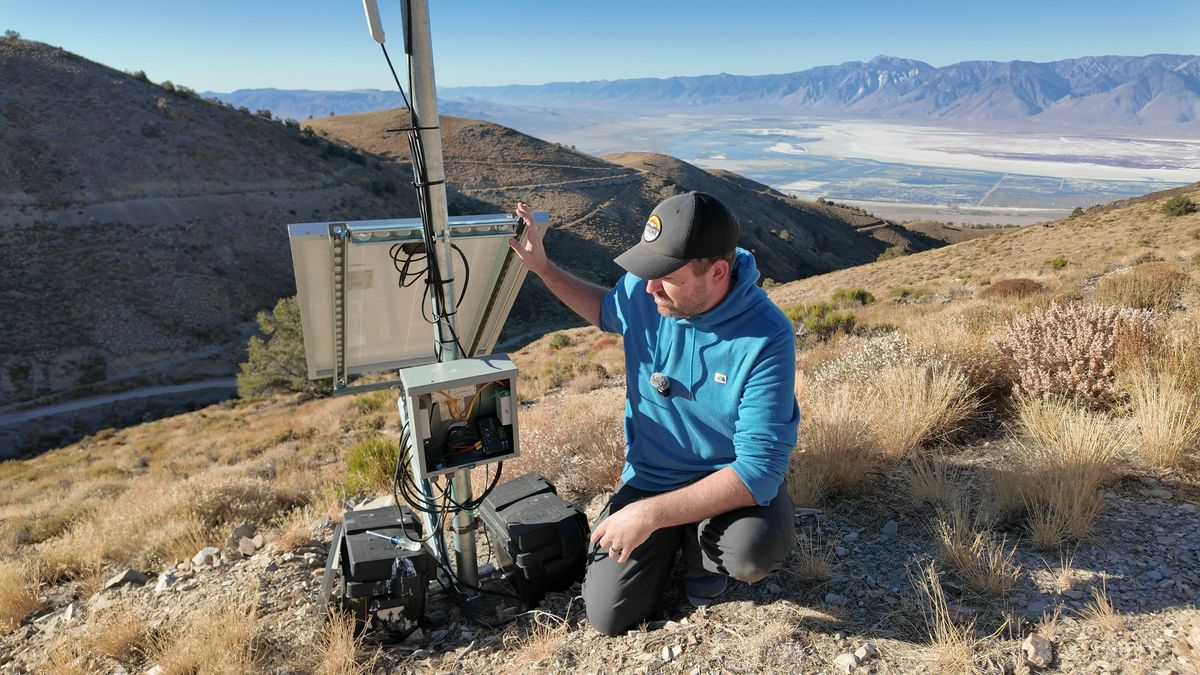
We design and configure wireless links remotely, with a little help from you on site. Here's how it goes:
Tell us about the sites
Send us the addresses or GPS coordinates of each end, plus what needs to connect and how much bandwidth it needs.
Send us photos from both ends
Take a few pictures from Point A looking toward Point B, then from B back toward A. They show us the distance, tree cover and obstacles before anything gets bought.
Path check and link design
We check the line of sight and design the link: the right equipment for the distance and your budget, the frequencies, mounting heights and a parts list.
Mounting and aiming
Your staff or a local installer mounts the radios, and we coach them through aiming them. If you'd rather have us on site, we can do that too.
Configuration and tuning
We configure everything remotely, check the alignment and signal, and tune the link for the best speed and stability.
Documentation and support
You get documentation of how it's all set up, and we're a call away if anything changes, on prepaid support hours.
Already have a link that's acting up?
Slow speeds, dropouts when the weather turns, interference or a link that was never aimed quite right: we troubleshoot existing wireless links all the time, whoever installed them, and most of it can be diagnosed remotely.
Projects we're proud of
Both of these are on our YouTube channel, start to finish.

A ghost town goes online
Cerro Gordo is an 1800s silver mining town high in the California desert, miles from anything. We designed and configured a point-to-multipoint wireless network to bring WiFi to the town.
Watch the video
A non-profit network, redesigned after a storm
When a storm damaged the sanctuary's network gear, we put together a best-practice network design that reused as much of their existing equipment as possible and kept new purchases to a minimum.
Watch the videoWant to learn how it works?
We've taught wireless bridging on our channel for years. These two guides are a great place to start.


Point-to-point wireless FAQs
What is a point-to-point wireless bridge?
Two radios, one at each end, aimed at each other so they work like a network cable through the air. Your second building joins your main network as if it were wired.
How do I get internet to another building without running cable?
With a point-to-point wireless link: one radio at your main building and one at the other, with a clear line of sight between them. Send us photos from each end looking toward the other, and we'll tell you if a link will work and what equipment it needs.
What's the difference between point-to-point and point-to-multipoint?
A point-to-point (PTP) link connects exactly two locations, like your office and a warehouse across the road. A point-to-multipoint (PTMP) network uses one central radio, usually on a tower or rooftop, to connect several locations at once, like every building on a campus or every WiFi access point across a campground.
How far can a wireless link go?
Anywhere from a few hundred feet to well over 10 miles, depending on the equipment and the path between the two ends. Distance is rarely the hard part. A clear line of sight usually matters more.
Do I need line of sight?
For a reliable link, yes. The two radios need a clear view of each other, with some extra room around that straight line too. Trees, hills and buildings are the usual problems, which is why we ask for photos from both ends before designing anything. Mounting height often solves it.
How fast is a point-to-point wireless link?
Modern links can carry anywhere from a few hundred megabits per second to multiple gigabits, depending on the equipment, the distance and the frequency. We size the link to what you actually need to move, with room to grow.
Does weather affect a wireless link?
It can. Very high-frequency links, like 60 GHz, can slow down in heavy rain, so for those we design in a backup frequency that keeps the link up. Standard 5 GHz links handle weather well. Wind matters too, so we make sure radios are mounted solidly.
Who installs the equipment?
Usually your own staff or a local installer, and we coach them through mounting and aiming the radios. Then we handle the configuration and tuning remotely. If you'd rather have us on site, we can do that as well.
How much does a wireless link project cost?
It depends on the distance, the path and the equipment, so every project starts with a design and a parts list. Our time is billed from prepaid support hours, and we estimate the hours up front.
Can you fix a wireless link that someone else installed?
Yes! We troubleshoot existing links all the time: slow speeds, dropouts, interference, alignment problems and outdated firmware. Most of it can be diagnosed remotely.
Should our campground use a captive portal?
We can set one up, but we usually recommend against it. When a login page won't load on some guest's device at 10pm, they're going to call the office for tech support. A simple guest WiFi password, with guests kept separate from your own network, is easier on everyone.
Do you work with wireless ISPs?
Yes. We design WISP networks and set up UISP to manage them, and you handle your subscribers and billing however you like.
What equipment do you use?
We pick the best equipment for the job and your budget. Most of our outdoor work uses Ubiquiti's UISP lines, including airMAX, LTU and Wave, along with UniFi building bridges, and we work with TP-Link Omada too.
Let's get your network where it needs to go
Tell us what you need to connect and send a few photos from each end, and we'll tell you what it takes.
Working on the rest of your network too? See our network design and engineering services. Need indoor WiFi too? See Business WiFi.